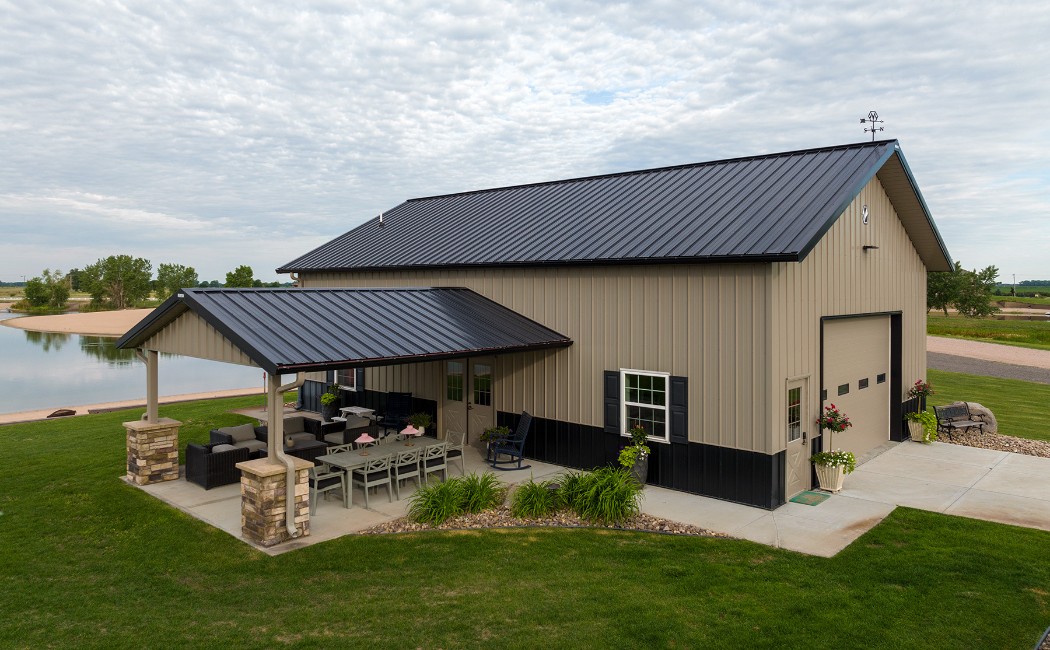
Famous for its durability, cost-effectiveness, and versatility, pole barns have gained immense popularity over the past few years, making them the most in-demand in the state of Montana. These structures are designed to withstand a variety of environmental conditions.
No matter how strong the pole barn’s construction has been, weather plays a critical role in determining its longevity and performance. That’s why understanding how climate and seasonal changes affect your structure can help you make more innovative construction and maintenance decisions.
This is where professional pole barn services become essential in protecting your investment year-round.
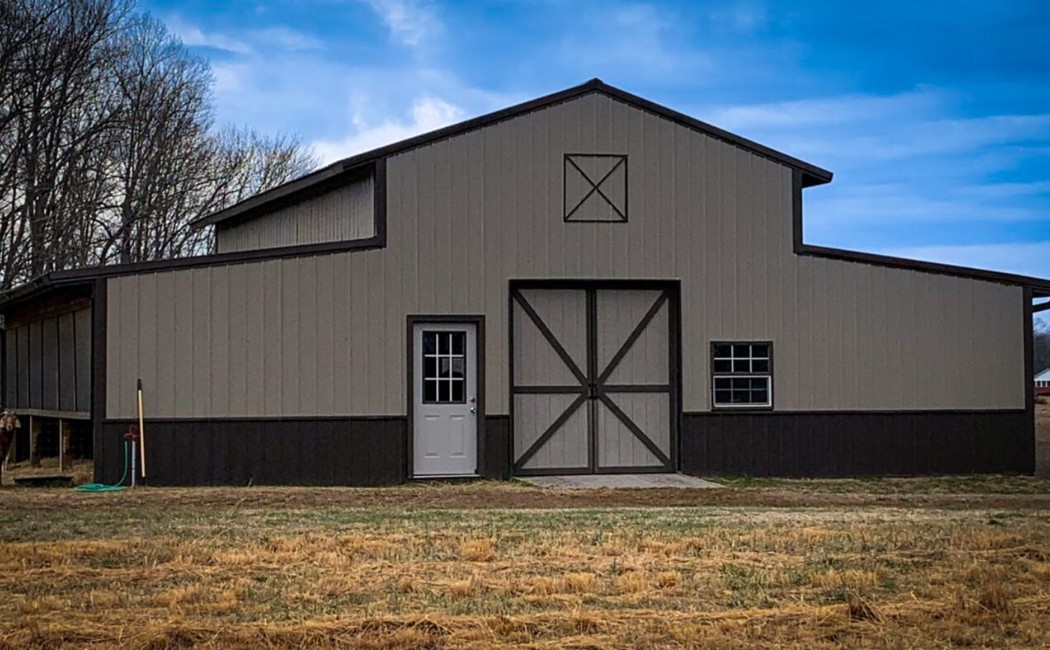
Understand The Effects Of Weather On Pole Barns
Weather has a significant effect on the pole farme buildings, these effects include moisture, wind pressure, extreme temperatures, and snow and ice loads. Each of these natural forces acts differently on the pole barn’s structural components, which include:
- Posts: It is a piece of long and sturdy timber or metal that is positioned upright in the ground and used as a support or marker.
- Trusses: It is a strong, lightweight structural framework of interconnected beams in the form of triangles that provides stability and strength.
- Fasteners: Metal to wood structural screws that are used for securing components, for keeping the building’s integrity against wind and snow loads.
- Cladding: An exterior layer that is applied to a pole barn’s building frame for weather protection, insulation, and aesthetic appearance.
The structure of pole barns greatly depends on load distribution. Instead of traditional foundations, embedded posts transfer both vertical and lateral loads to the ground directly. In case the foundation is not designed according to Montana’s local weather conditions, then this system can become weak over time. For this reason, soil testing, post depth calculations, and load analysis are critical during construction.
Weather Influence on Load Stress and Damage to Pole Barns
The damage caused by seasonal weather to pole barns happens over a period of time. Spring brings excess rainfall and saturates the soil, which diminishes the support of the side walls.
During the summer, the extreme heat causes the materials to expand, and the UV exposure weakens the finishes. Then in the fall, the increase in wind elevates the risk of uplift, while winter brings snow and the cycles of freezing and thawing.
Effects of seasonal stress on the pole barn
- Roof snow load capacity
- Wind uplift resistance
- Post embedment stability
- Fastener fatigue due to thermal movement
Pole barns designed with seasonal load considerations will outperform those constructed to minimum guidelines.
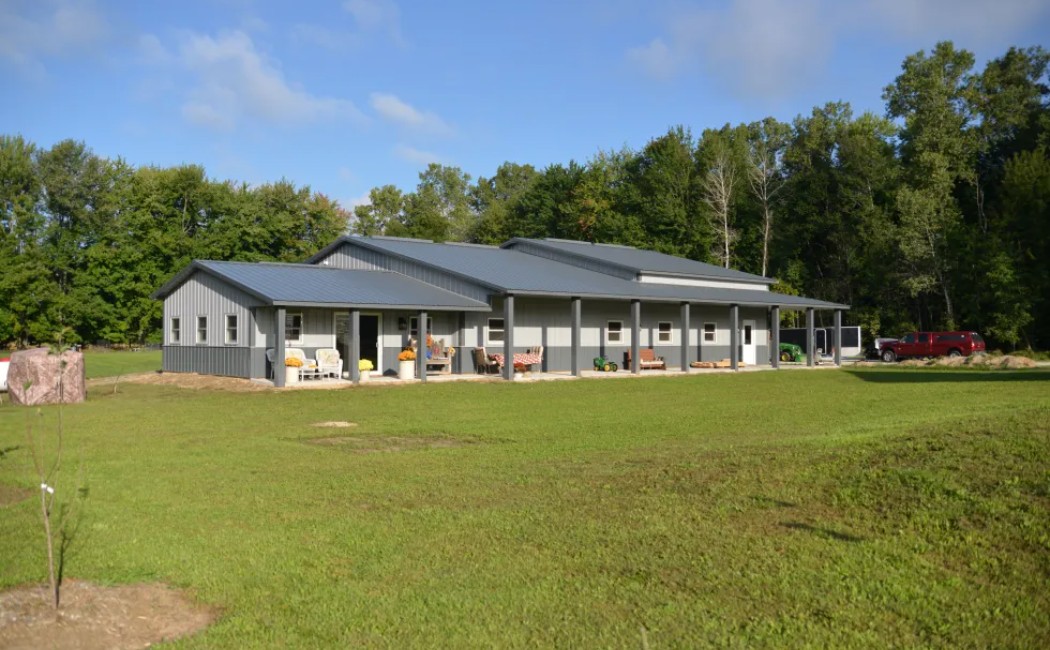
Moisture Control And Prevention Of Rain Damage To Pole Barn
Damage done by moisture and infiltration is usually due to the lack of a pole barn to withstand damage and soil erosion. This happens when there is no proper system for diverting the surface water away from the bases of the posts. Furthermore, when the roofing and wall systems are not properly overlapped or sealed.
Some of the technical considerations include:
- The depth of posts inserted varies from 4 to 6 ft, depending on soil conditions.
- Using chemically treated timber to prevent moisture, decay, fungi, and insect damage, such as UC4B or UC4C.
- Include vapor barriers and condensation control systems.
- Roof panels must be installed with a 3:12 slope minimum.
Without these considerations, moisture can damage the durability of the post and shorten the lifespan of the structure.
Risks Of Snow And Ice Damage For Pole Barn
Colder climates bring snow buildup and freeze-thaw cycles; for pole barns becomes a bigger issue. Snow load is measured in pounds per square foot (PSF), and pole barns must be engineered for it.
The common design standards are:
- 30-60 PSF snow load ratings, depending on the region
- Engineered roof trusses 8-12 ft on center
- Steel roofing with high tensile strength to resist ice expansio
When heat escapes through the roof, snow melts, and then refreezes at the eaves, ice dams are created. Proper insulation, ventilation, and ridge vents relieve roof temperature and avoid ice-related stress.
Structural Bracing and Wind Resistance in Pole Barns
The wind resistance of pole barns is one of its significant benefits when properly made. Wind applies lateral pressure and uplift forces that can remove roofing and overturn unanchored structures.
Wind resistance is improved by technical features, such as:
- Concrete collars with posts embedded below the frost line
- Shear strength wall and roof bracing
- Engineered trusses for 90-140 mph wind speeds
- Hurricane straps and heavy-duty fasteners
Wind loads are distributed throughout the entire structure in pole frame construction, lowering failure points compared to conventional framing.
Lumber Construction, Heat, and Thermal Expansion
Both metal and lumber construction components are affected by prolonged sun exposure and heat. Wood construction loosens fasteners that are tensioned if there are changes in temperature and humidity.
Sound technical practices are:
- Allowance for thermal movement in metal
- Kiln-dried or laminated posts to minimize warping
- UV-reflective roofing and coatings to minimize heat
- Soffit and ridge vents increase internal ventilation to protect storage and structural components from excessive heat.
The Interaction Between Soil and Pole Frame Buildings
In terms of soil movement due to the weather, pole frame buildings are one of the best to adapt to. Embedded posts work as deep anchors and transfer loads to stable soil layers. However, this only applies when soil conditions are adequately assessed.
Professionals evaluate:
- Soil bearing capacity
- Soil drainage
- Frost depth and uplift potential
The above soil conditions affect post spacing, embedment depth, and footing design very important technical factors in the long term.
Preventive Maintenance to Reduce Weather Impact
Routine inspections are still crucial for the longevity of pole barns to manage weather-related wear. Maintenance tasks to consider are:
- Post spacing and embedment
- Frost depth and uplift potential
- Fastener torque post temperature shifts
- Moisture intrusion at post bases
- Roof panel alignment after high winds
- Drainage system blockages
Evaluations conducted by Pole Barn Services specialists are essential and help lengthen the lifespan of the structure.
The Importance of Technical Expertise in Pole Barn Construction
Pole barns and weather conditions are not the same. The pole frame configuration, the choice of materials, and the overall construction process result in the building’s ability to withstand the elements. The most critical elements of the construction of the building are the local regulations, the climatic conditions of the area, and the structural analysis.
About Bull Mountain Lumber LLC
To achieve true durability and precision, along with the ability to withstand the elements over the years, partnering with Bull Mountain Lumber LLC as the best pole barn services company ensures your structure is built to withstand the harshness of wind, snow, moisture, and extreme temperatures, providing strength, safety, and value in all seasons.
Crux Of The Blog
Having weather damage on your pole barn is an unavoidable aspect of having a pole barn. However, using proven techniques such as load calculations, moisture control, wind bracing, using high-quality lumber, and including strategies can help to minimize the damage.
Regular inspections and maintenance can ensure your pole barn is stable and reliable in any climate. The most effective way to ensure your pole barn is protected from all kinds of weather is by using professional pole barn services. With the proper design, pole barns can hold their value and provide peace of mind for many years.
Frequently Asked Questions
What methods do engineers use in pole barn construction to accommodate varying weather conditions?
Pole barns are designed according to the region-specific load calculations that account for wind speed, snow accumulation, and soil conditions. Structural elements such as embedded posts, engineered trusses, and bracing systems distribute loads efficiently.
What is the minimum snow load rating a pole barn roof must meet?
Snow load ratings typically range between 30 and 60 pounds per square foot (PSF), depending on the local climate.
What is the minimum depth of pole barn posts to withstand wind and frost?
Pole barn posts need to be set at depths of between 4 and 6 feet. This is dependent on post type, soil composition, frost line, and wind conditions.
Which materials best prevent moisture and rain damage in pole barns?
In order to best avoid rain damage on pole barns, use pressure-treated lumber rated for ground contact (UC4B or UC4C) and combine it with galvanized or coated steel panels, vapor barriers, and good roofing systems.
How does a pole frame building improve wind resistance?
Pole frame building improves wind resistance by transferring lateral and uplift forces through embedded posts directly into the ground.